News & Markets
A New Era in Construction Landscape
The Progress of AAC in India and Its Future
Loading...Origins of a Revolution – The Early 2000s
AAC’s entry into India was not smooth. In the early 2000s, only a handful of entrepreneurs had the foresight – and courage – to bring this new technology to Indian soil. They invested in expensive machinery, set up the first manufacturing lines, and tried to convince a deeply traditional market to adopt a material few had heard of.
Acceptance did not come easily: Contractors questioned its strength. Engineers debated its viability. Customers preferred the familiarity of clay bricks. But the early AAC pioneers persisted, demonstrating the benefits through workshops, pilot installations, and technical outreach. Slowly, they built credibility – one architect, one engineer, one construction site at a time. Their quiet determination planted the seeds of a revolution.
The Tipping Point – When India Started to Believe
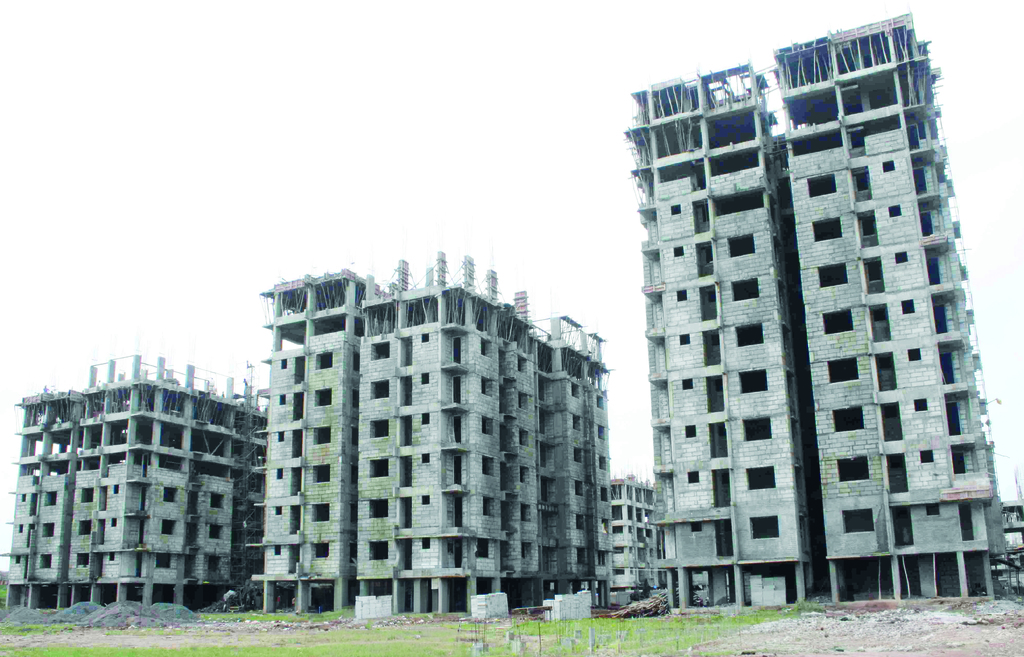
India’s rapid infrastructural expansion became the catalyst for AAC’s mainstream adoption. As cities expanded and megaprojects multiplied, the need for faster, energy-efficient, and environmentally conscious building materials surged.
Government policies played a significant role in this shift. Initiatives under:
Energy Conservation Building Code (ECBC)
GRIHA and IGBC rating systems
LEED certification frameworks
encouraged developers to move towards greener materials.
AAC fit perfectly into this future. Its lightweight nature reduced dead loads and structural costs. Its insulation properties offered significant energy savings. Fire resistance, dimensional accuracy, and ease of installation further strengthened its appeal.
Industry training sessions, seminars, plant visits, and knowledge-sharing forums accelerated the transition. AAC was no longer viewed as an alternative – it became an advantage.
Today – One of the World’s Fastest-Growing AAC Markets
Two decades after its modest beginnings, India has emerged as the second-largest AAC market globally, surpassed only by China. The scale of growth has been extraordinary:
From 3 plants in 2008 to 200+ plants today
From 1 million cubic meters of production to 25+ million cubic meters annually
A 25-fold growth in just 15 years – an achievement unmatched by most construction materials globally
Yet, despite this explosive expansion, AAC still represents just 8–10% of India’s total walling market. This underscores the enormous headroom for growth in the coming decade.
A Technologically Transformed Industry
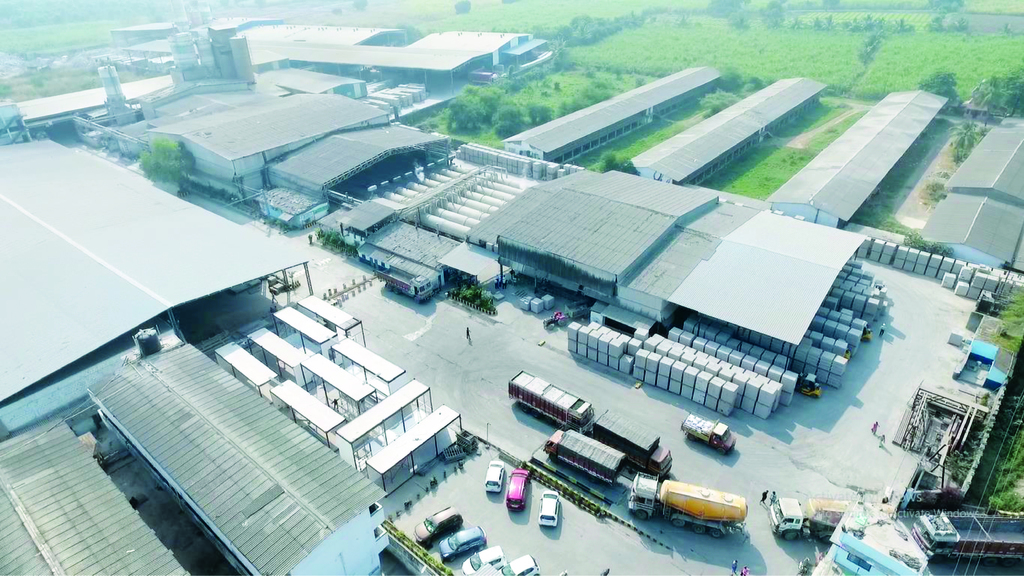
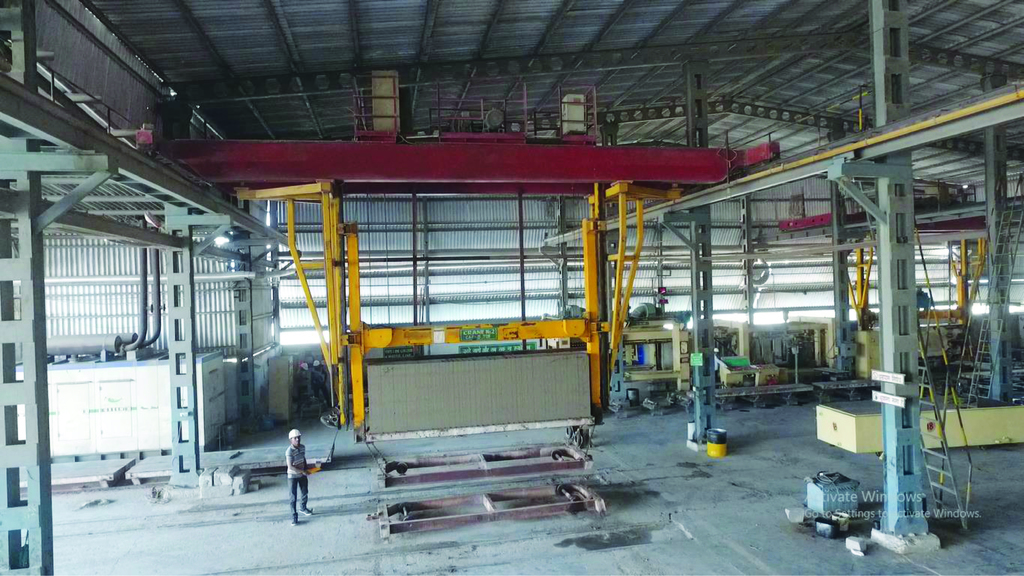
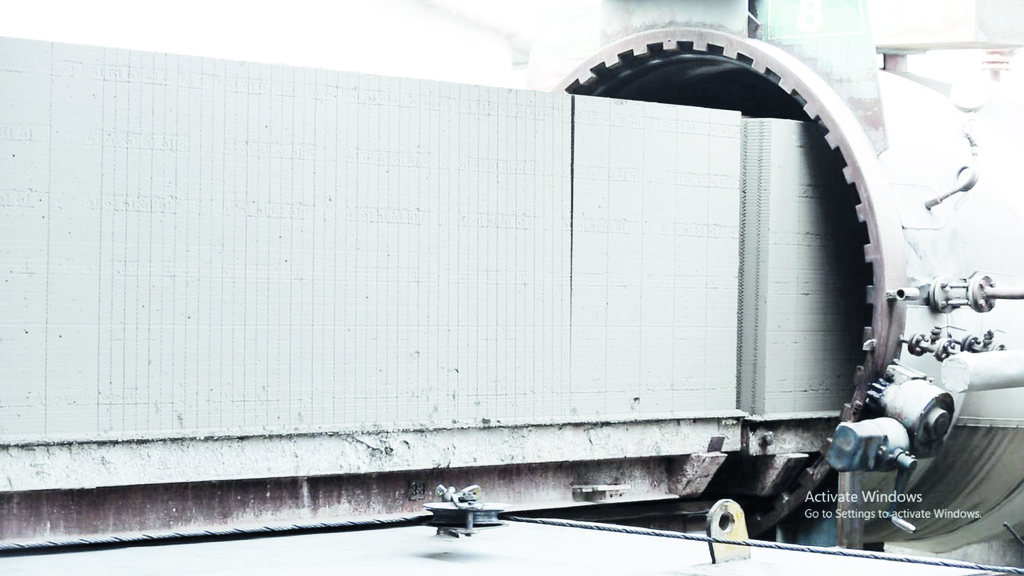
Modern AAC manufacturing plants in India now feature:
Sophisticated automatic batching systems
Precision cutting technologies
Advanced autoclaves
Quality monitoring labs
On-line process control and ERP integration
The shift from manual, experience-driven operations to standardized, data-driven processes has elevated product uniformity and reliability across the sector.
A Culture of Excellence
Another notable development is the rise of professional consulting, structured training programs, and process audits. Plant owners now focus not just on capacity but on consistency, yield optimization, curing control, and energy efficiency.
This maturity marks a turning point: India’s AAC industry is no longer in the phase of experimentation – it has entered the era of excellence.
AACPA – The Unified Voice of the Industry
A major contributor to the sector’s success has been the AAC Producers Association of India (AACPA), formed in 2013. Today, it represents the majority of AAC manufacturers and serves as the industry’s collective platform.
AACPA has played a transformative role by:
Advocating policies favorable to sustainable construction
Influencing government specifications and standards
Establishing quality and testing benchmarks
Facilitating collaboration between manufacturers, consultants, and suppliers
The 1st Indian AAC Conference in Goa (February 2025) highlighted the industry’s growing cohesion and ambition. AACPA’s continued leadership will be instrumental in shaping the next chapter of the AAC revolution.
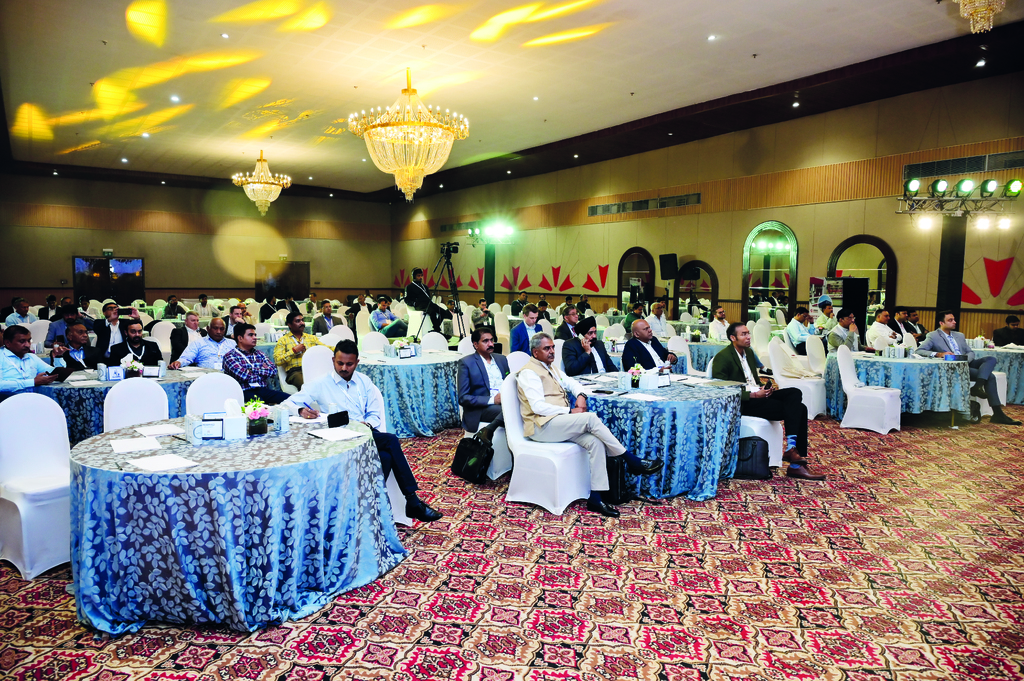
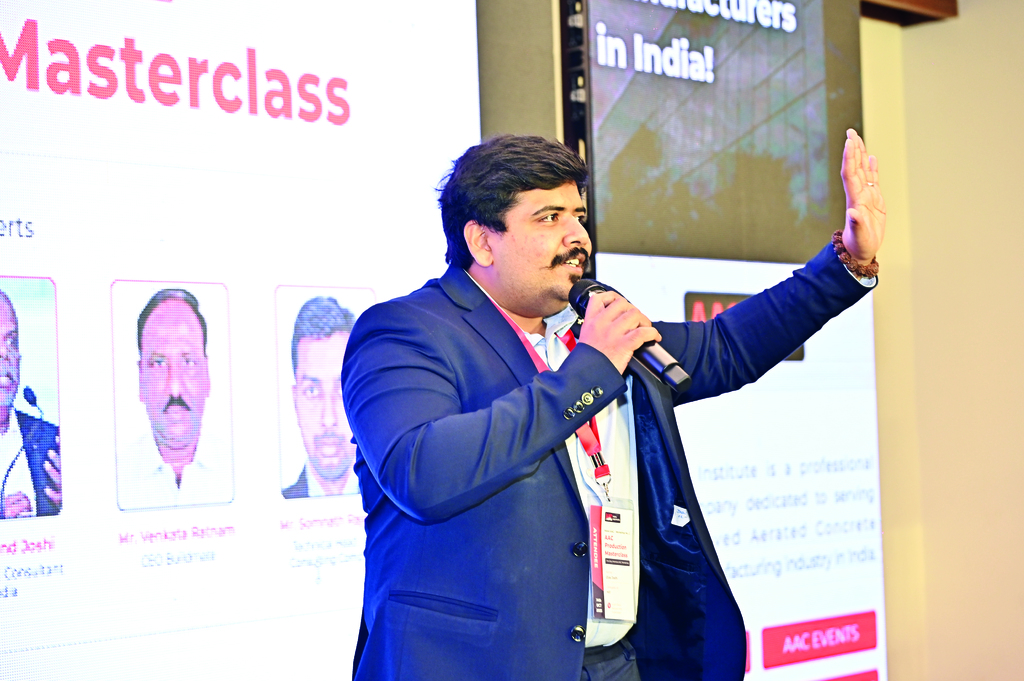
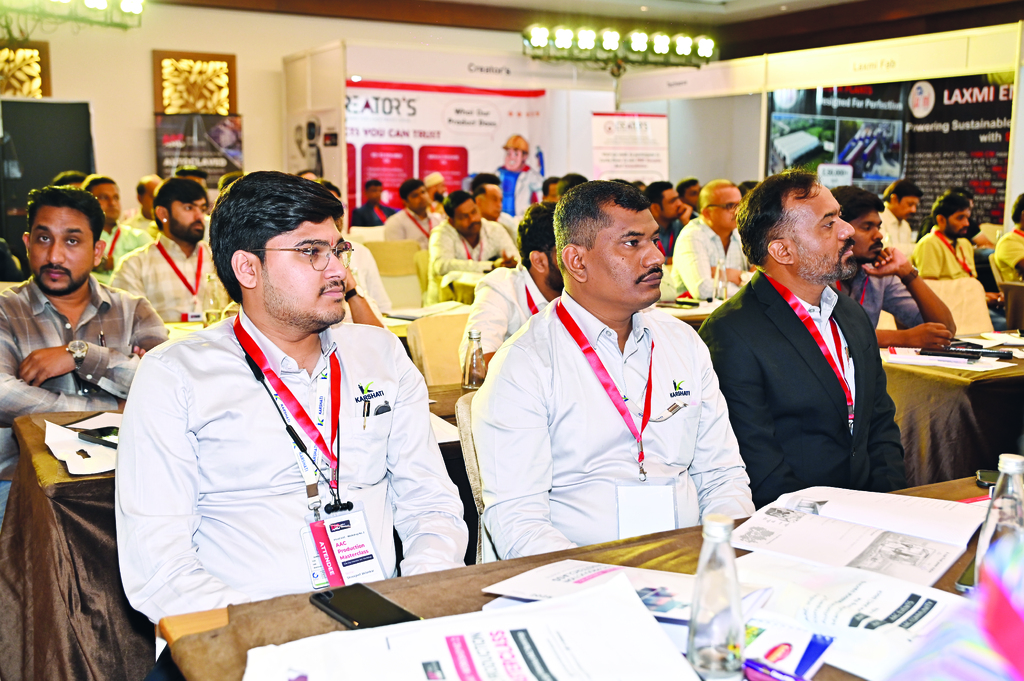
AAC India Institute – Advancing Skills and Knowledge
As production capacity increased, it became evident that technology alone could not guarantee quality. Plant operators, supervisors, and quality teams required structured upskilling.
This need led to the establishment of the AAC India Institute, the country’s first dedicated training and capability-building center for AAC manufacturing. Its innovative model focuses on:
Hands-on plant training
SOP implementation
Process audits and gap analysis
Publication of the AAC India Journal
AAC India Institute also offers certification programs like:
1. CAT: Certified AAC Technologist = For AAC professionals
This certification offers an in-depth online training course on various aspects of AAC manufacturing process. At the end of the program, an online exam is conducted, and CAT certification is conferred to the successful candidates.
2. CAFÉ: Certified AAC Facility of Excellence = For AAC manufacturing plants.
This certification offers an audit of AAC manufacturing plants, suggests improvements and awards certification to the successful plants.
With its plant-level engagement and practical approach, the AAC India Institute is helping professionalize the AAC workforce and enhance product reliability nationwide.
Magicrete – A Catalyst in India’s AAC Growth Story
Among India’s AAC manufacturers, Magicrete has emerged as one of the major players and industry frontrunners. Known for its commitment to quality, R&D, and large-scale operations, the company has been instrumental in:
Popularizing AAC across India
Building trust among large developers
Setting process benchmarks
Expanding AAC panel usage
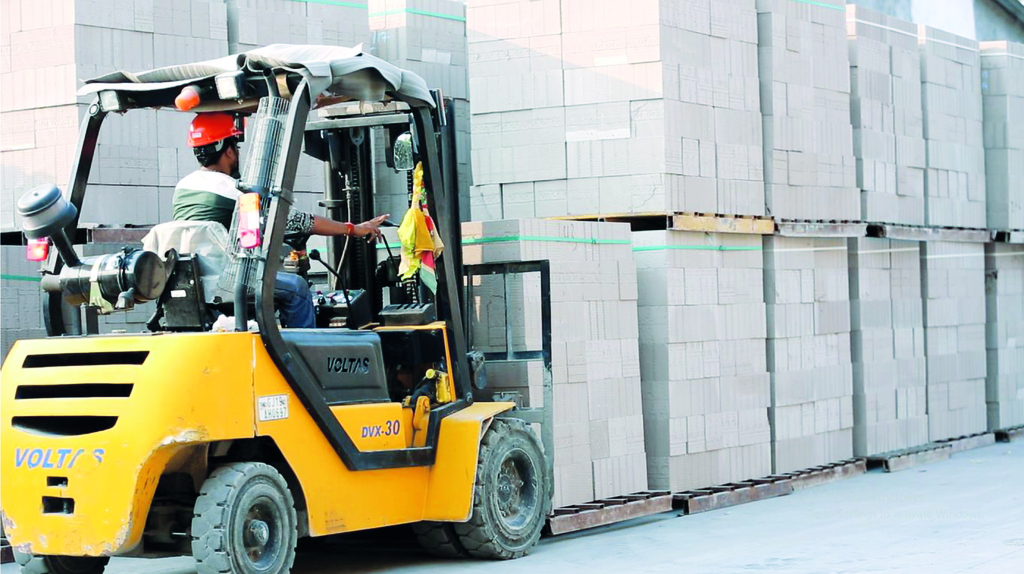
With five manufacturing facilities and a capacity exceeding 1.5 million cubic meters, Magicrete is also among the country’s largest producers of AAC panels, a critical technology for faster and more industrialized construction.
Magicrete’s journey reflects the broader evolution of the AAC industry – from pioneering adoption to world-class manufacturing.
The Road Ahead – Innovation Beyond Blocks
The next era of AAC in India will be shaped by technology, talent, and transformation.
Digitalization and Industry 4.0
AAC plants across India are beginning to adopt:
IoT-enabled curing and humidity monitoring
AI-driven defect prediction
Automated quality inspection systems
Energy optimization analytics
Real-time production dashboards
These innovations will help plants shift from reactive troubleshooting to proactive process optimization, boosting efficiency and reducing costs.
Human Excellence – The True Differentiator
While digital tools will enhance operations, the real engine of progress will be skilled and empowered teams. The future demands:
Strong operational discipline
Continuous learning
Process mastery
A culture of quality and innovation
If India combines its manufacturing scale with operational excellence, it can become not just a global leader in AAC production, but a global exporter of AAC technology, skills, and know-how.
Challenges That Need Strategic Solutions
To unlock its full potential, the AAC sector must address three key challenges:
1. Price Pressure & Low Margins
Intense competition has driven AAC prices down to unsustainable levels, affecting profitability. Plants must embrace automation, energy savings, and supply-chain optimization to stay competitive.
2. Application of AAC
India’s hot climatic conditions accelerate drying shrinkage, leading to wall cracking – a concern among builders. Addressing this requires improvements in:
Mix design / curing methods
On-site workmanship
Thin joint mortar application
3. Limited Adoption of AAC Panels
Despite their advantages, AAC panels face limited market penetration due to installation challenges. Wider adoption needs:
Skilled installation teams
Mechanical lifting tools
Standardized panel-ready design guidelines
Solving these challenges will allow AAC to expand from buildings to a broader range of construction applications.
Conclusion – Building a Stronger Future
AAC is more than a building material. It is a symbol of India’s transition from resource-intensive construction practices to sustainable, intelligent, and future-ready technologies.
Every AAC block tells a story – of innovation, resilience, and ambition. From its uncertain beginnings to its rapid expansion and technological evolution, AAC reflects India’s ability to reinvent itself and lead with purpose.
As India builds its smart cities, green homes, and resilient infrastructure, AAC will remain at the heart of this transformation – helping the nation construct not only stronger buildings, but a stronger and more sustainable future.
India is not just constructing structures; it is constructing a vision – one block, one plant, one idea at a time.
Hier bitte das Logo des indischen Porenbetonverbandes druntersetzen und die Website: www.iaacpa.org