ARTICLE
Revive. Upgrade. Innovate. – Wehrhahn Teeyer Smart Technology (WTST)
German-Chinese joint venture supports the modernization of an Eastern European AAC plant
Wehrhahn Teeyer Smart Technology (Changzhou) Co., Ltd
At the same time, comprehensive plant upgrades present significant challenges. They often require careful planning, precise execution, and a clear focus on minimizing production interruptions. A recent modernization project in Eastern Europe illustrates how targeted retrofitting, combined with structured project management and modern automation technology, can improve the performance of an existing AAC plant within a limited implementation period.
Cooperation between two leading AAC technology companies
In 2025, Wehrhahn and Teeyer, two established companies in the international AAC equipment industry, founded Wehrhahn Teeyer Smart Technology (WTST) as a joint venture. The cooperation brings together Wehrhahn’s long-standing engineering expertise in AAC plant technology and Teeyer’s extensive manufacturing capabilities, project execution experience, and global market presence.
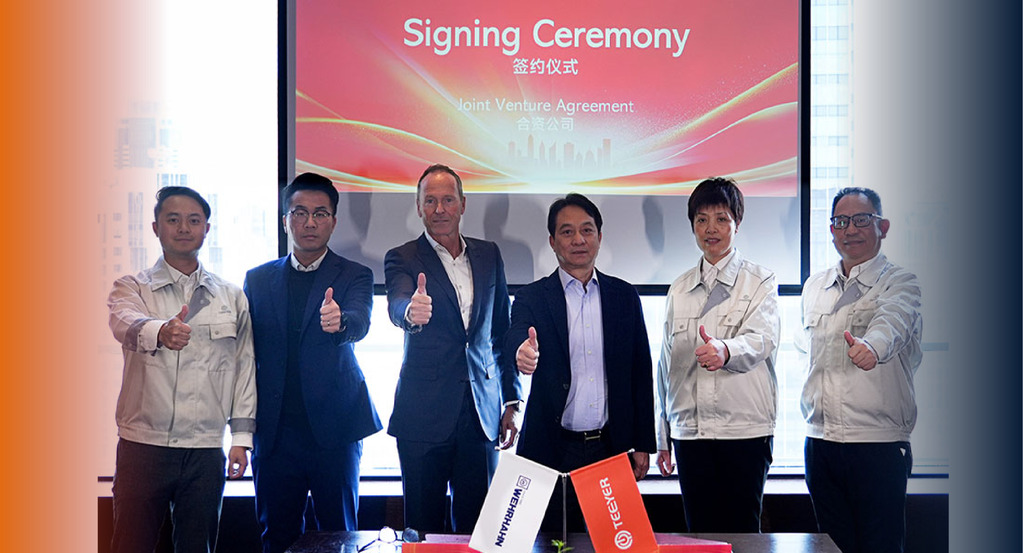
With Teeyer having delivered more than 1,200 production lines worldwide and Wehrhahn being recognized as a long-established German specialist in AAC plant engineering, WTST combines complementary strengths from two major technology providers. The joint venture is positioned to offer integrated equipment solutions for AAC producers, particularly in the fields of plant modernization, automation, digitalized production, and efficiency improvement.
Modernization of a production line from 1987
The project in Eastern Europe involved an AAC production line originally commissioned in 1987. Over time, the plant had developed several operational limitations. These included frequent equipment failures, a high dependency on manual labor, long production cycles, limited process stability, and an elevated product damage rate.
For the client, the key requirement was to improve productivity and product quality while keeping the shutdown period as short as possible. Before the project began, a modernization period of at least six months had been expected. WTST completed the on-site transformation within four months, thereby reducing the duration of lost production time and supporting a faster return to regular operation.
Measurable improvements in plant performance
Following the retrofit, the plant achieved clear improvements in several key performance areas.
Production capacity increased from less than 400 m³ per day to more than 800 m³ per day. This represents an effective doubling of the previous output level.
Labor requirements were also reduced. The number of operators needed per shift decreased from 15 to 8, mainly as a result of increased automation and improved process coordination.
In addition, the product damage rate was reduced from more than 5 percent to below 1 percent. This improvement contributed to more stable product quality, reduced waste, and better utilization of finished goods.
Key technical measures
The modernization focused on selected technical areas that had the greatest influence on capacity, quality, and labor efficiency. WTST implemented customized and modular equipment upgrades adapted to the existing plant conditions.
1. Upgrade of cutting process and mold system
The previous horizontal cutting process was replaced with a vertical cutting process. In parallel, the old four-side-opening molds were replaced by a modular box-type mold system.
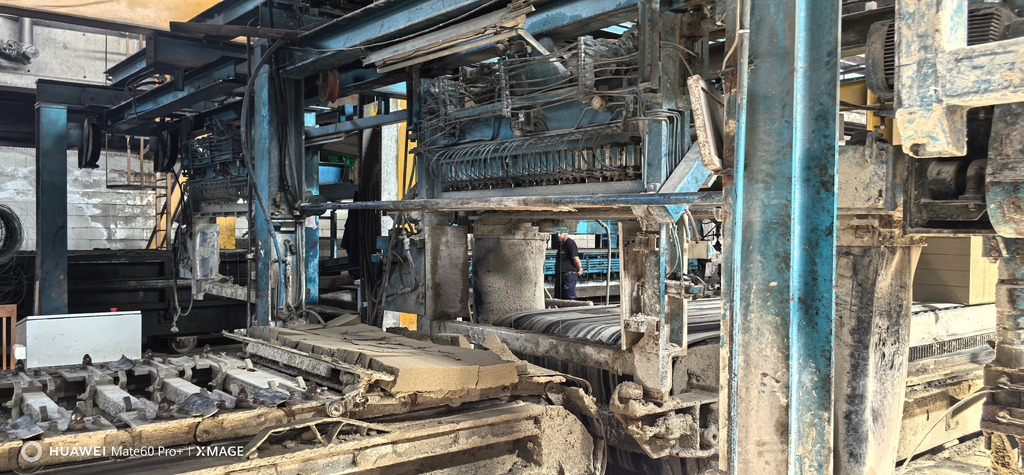
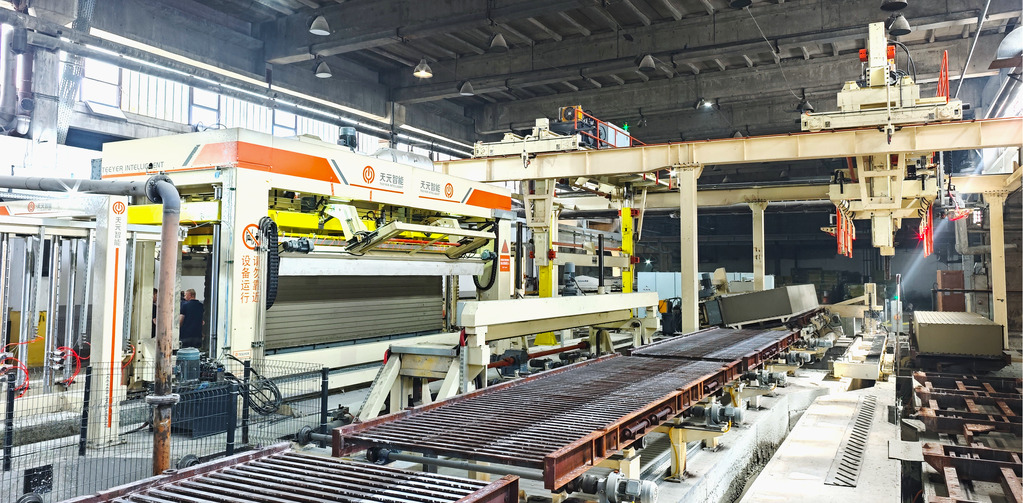
This change enabled the production of hand-grip blocks, reduced pre-curing time, and improved cutting accuracy. Automatic demolding and oiling were also introduced, helping to eliminate slurry leakage and improve process cleanliness.
2. Automated transfer car system
The existing manually operated transfer car was replaced with an automated transfer car system. The new system improved positioning accuracy and contributed to shorter and more stable production cycles.
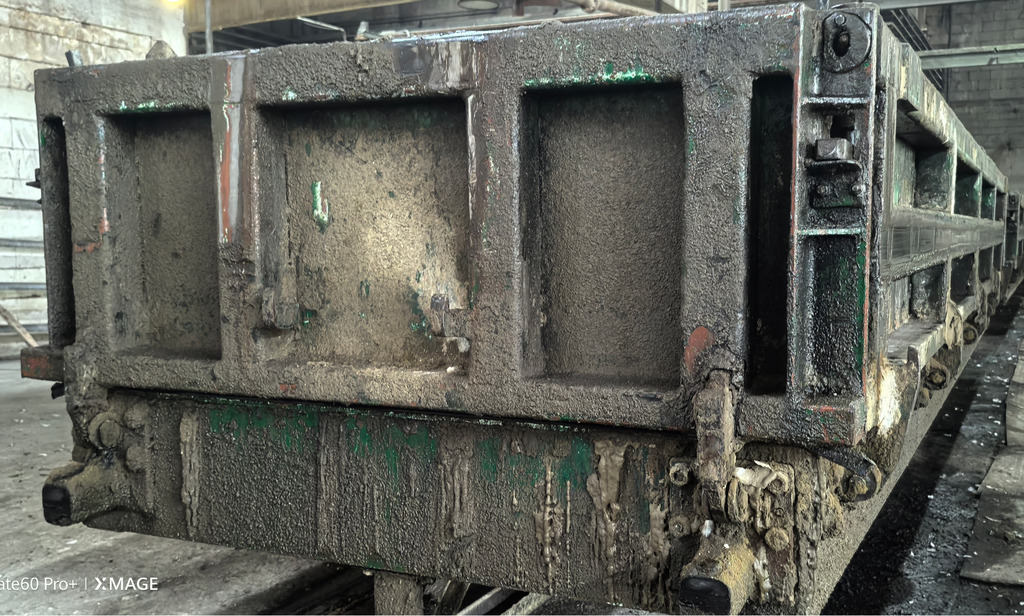
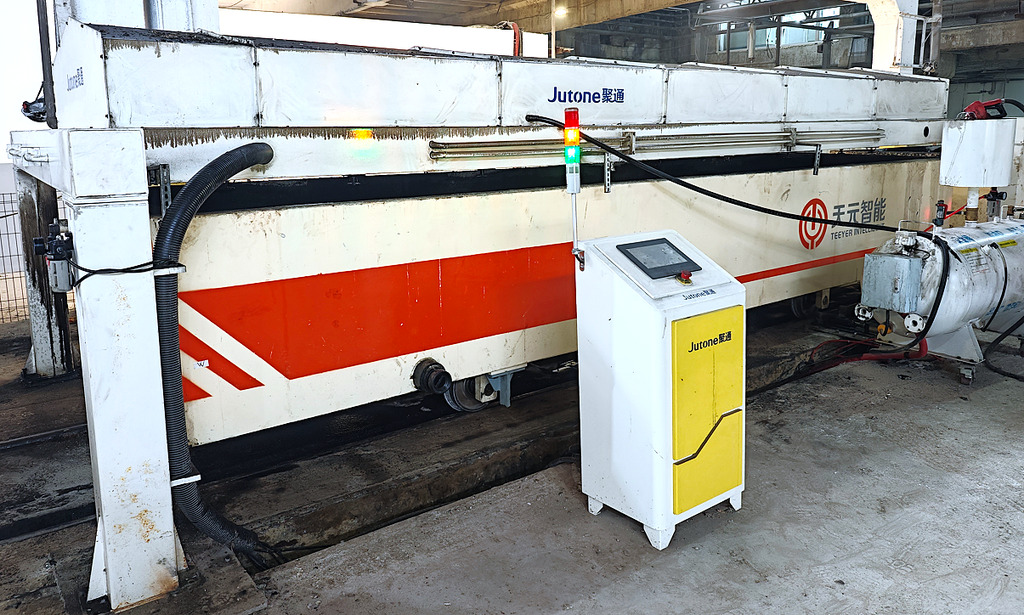
Its modular design also supports easier maintenance and helps reduce potential difficulties related to spare-parts availability.
3. Intelligent stacking and loading technology
The former manually operated stacking hoist was replaced with a high-precision loading machine. The new system enables automated stacking based on simplified mechanical movements and improved control accuracy.
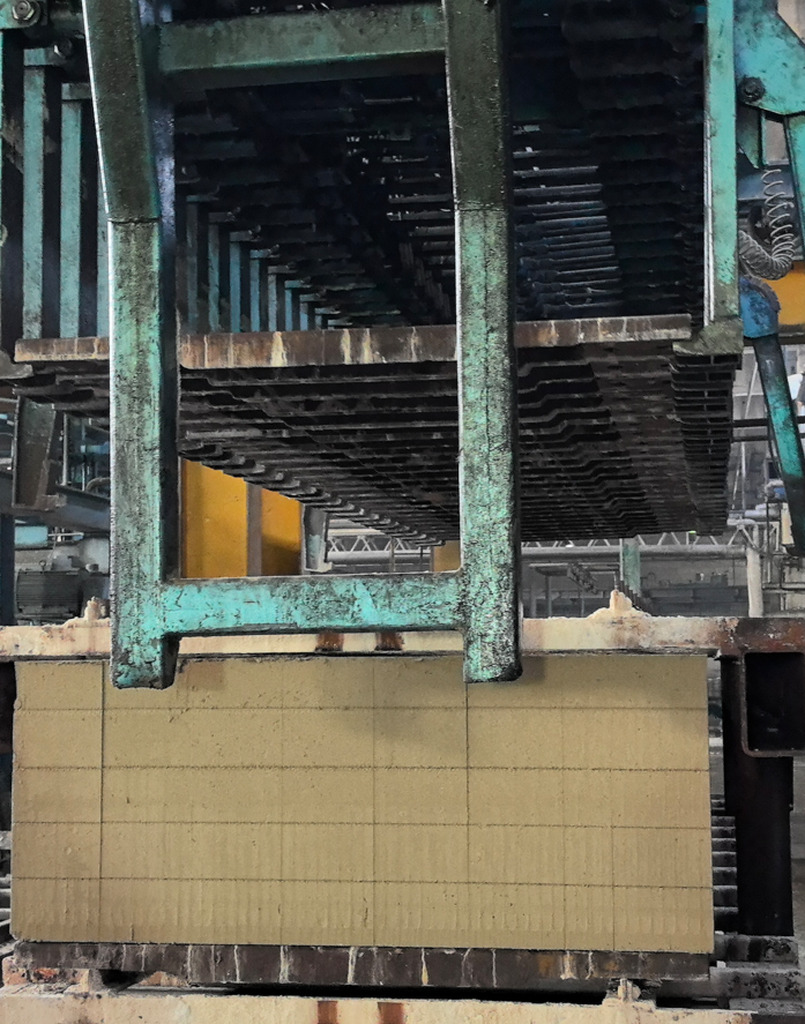
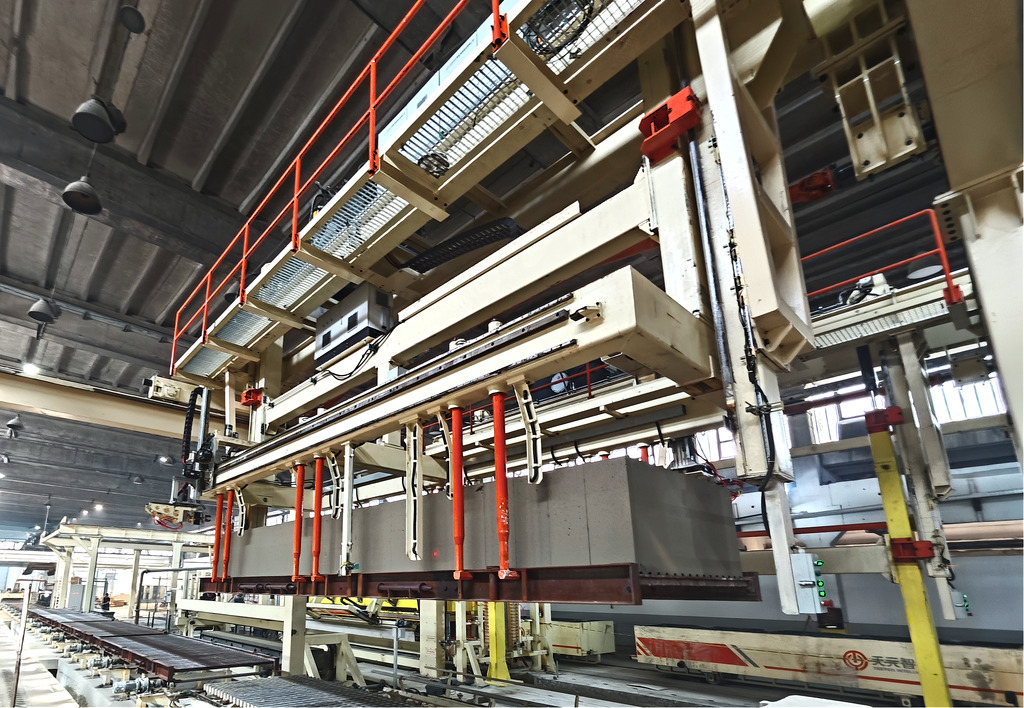
As a result, stacking precision increased, manual intervention was reduced, and the overall reliability of the handling process improved.
Structured project execution
A central factor in the project was WTST’s lifecycle service approach, which divides modernization projects into clearly defined phases.
During the site survey and design phase, engineers recorded the existing plant dimensions and analyzed the available infrastructure. This allowed the project team to optimize the layout while limiting the need for civil construction work.
In the product design phase, the equipment concept was adapted to the plant’s site conditions, target capacity, and required product range. Installation simulations supported planning accuracy and helped reduce implementation risks.
The project implementation phase focused on coordinated execution, installation management, and schedule control. This structured approach helped ensure that the transformation could be completed within the planned shutdown window.
The final phase, production ramp-up support, included commissioning, on-site technical support, and recipe optimization. These measures supported the transition from installation to stable production and helped the plant reach the intended output and quality levels.
Modernization as a practical path forward
The Eastern European retrofit project shows that targeted modernization can be a practical alternative to full plant replacement. By focusing on selected technical bottlenecks, existing AAC plants can improve capacity, quality, automation, and operational reliability without the need for complete reconstruction.
For AAC producers facing aging equipment and rising efficiency requirements, this approach offers a structured path toward more competitive production. Wehrhahn Teeyer Smart Technology positions itself as a partner for such transformation projects, combining engineering know-how, equipment manufacturing, automation, digitalization, and project execution experience.
Through retrofit solutions and continued technology development, WTST supports AAC manufacturers in adapting existing production facilities to current and future market requirements.
Jiangsu TEEYER Intelligent Equipment Co., Ltd, is located in National High-tech Development Zone in Changzhou City Jiangsu Province. It is a R&D and manufacturing enterprise specializing in complete sets of equipment and production lines for autoclaved aerated concrete machinery. The leading products include complete sets of AAC cutting equipment, AAC panel equipment and Engineering machinery.
TEEYER was established in 1989 with a registered capital of 160.7 million yuan, an area of 143,000 square meters, and over 400 employees. TEEYER has a provincial-level enterprise technology center with more than 80 R&D personnel. TEEYER conducts extensive industry-university-research cooperation, with no less than five research and development product projects and no less than 20 patents declared each year.
This Teeyer channel and all information presented here is provided by AAC Worldwide - the journal for the Autoclaved Aerated Concrete industry. All articles about Teeyer are available for free. Feel free to share information from this website with other industry professionals!
Jiangsu TEEYER Intelligent Equipment Co., Ltd.
NO. 312, West Hehai Road, High Technology
Development Zone, Changzhou City, Jiangsu Province, China
Postcode: 213125
T +86 13861131181
sales@teeyer.com
www.teeyer-global.com