Application & Construction
Innovative application of modified AAC in China
Underfloor sound and thermal insulation system
Loading...Current status of floor sound insulation
The current state of floor sound insulation in residential buildings across China is far from optimistic, with the problem being particularly pronounced in the existing older housing stock. Residences built in the 1980s and 1990s mostly adopted prefabricated floor slab structures, which typically have a relatively thin slab thickness (approximately 80–100 mm) and lack dedicated sound insulation measures. Their impact sound insulation levels generally fall below 65 dB, far short of the requirements set by current national standards. Even for commercial residential buildings constructed after 2000, although most adhered to relevant codes during the design phase, factors such as cost control and construction quality have resulted in an actual compliance rate of less than 60% for sound insulation performance.
According to sampling test data from the China Academy of Building Research, nearly 40% of newly built residential floors fail to meet the minimum requirements for impact sound insulation as stipulated in the Code for Design of Sound Insulation of Civil Buildings (GB 50118-2019). Neighbour disputes
arising from floor sound insulation issues account for over 35% of all residential-related complaints.
Main manifestations of floor sound insulation problems
Floor sound insulation issues are mainly divided into two categories: airborne sound insulation and impact sound insulation, among which impact sound disturbance is more common.
Sounds generated by daily activities such as footsteps, furniture dragging, and children running are transmitted to the floor below through structure-borne sound, serving as a core factor in neighbour disputes. Most residential floors are not equipped with thermal insulation layers and sound insulation layers, or similar constructions, and instead directly use cast-in-place floor slabs with rigid connections, making it difficult to meet the requirements for impact sound insulation.
The sound insulation performance of floors varies greatly among different building types. Due to cost constraints, affordable housing and renovated housing often simplify sound insulation constructions, making the problem particularly prominent. In contrast, while high-end commercial housing is equipped with comprehensive sound insulation measures, improper construction practices often lead to compromised sound insulation performance.
Sound insulation technology - industry trends
In recent years, China's technical solutions for floor sound insulation have gradually improved, with various sound insulation constructions and materials being applied. However, many deficiencies remain. For example, although there is a rich variety of materials, their quality is inconsistent. Sound insulation materials on the market include rubber acoustic mats, floating floor sound insulation mortar, sound insulation coatings, etc. Some high-quality materials can effectively improve impact sound insulation by 15–20 dB, yet there are also many inferior materials with sound insulation performance only about 30%–50% of that of high-quality products. Moreover, these inferior materials have poor durability and are prone to aging, cracking, and other issues.
Floor sound insulation standards and regulations
China has established a relatively comprehensive system of floor sound insulation standards. In 2025, the Ministry of Housing and Urban-Rural Development (MOHURD) clarified the standards for "quality housing" and implemented the Residential Project Code (GB55038-2025) starting from May 2025. This Code represents both a continuation and an innovative enhancement of current relevant standards. The Code requires a standardized weighted impact sound level of ≤ 65 dB. Achieving this level effectively reduces most impact noise in daily life, provides good insulation against mid-to-high frequency noises such as footsteps from upper floors and furniture dragging, and also offers better insulation against low-frequency impact sounds like skipping or running and jumping. This significantly improves living comfort. In short, "quality housing" means being green, low-carbon, smart, and safe – enabling people to live healthily and use facilities conveniently, with both peace of mind and comfort, while the associated costs remain low.
The existing Code for Design of Sound Insulation of Civil Buildings (GB50118-2019) specifies the floor sound insulation requirements for different types of residential buildings. Some regions have also introduced stricter local standards, with high-demand standards requiring a weighted impact sound insulation of ≤ 60 dB.
Advantages and disadvantages of common product types
Acoustic mat sound insulation system
Advantage
· Using common and readily available materials without the need for secondary research and development, the elastic acoustic mat is easy to lay and operate.
Disadvantages
· As an elastic cushion layer, the acoustic mat may experience varying degrees of compression and uneven settlement after 3–6 months of use, which can lead to cracking of floor tiles. In the medium to long term, compression and settlement can significantly reduce impact sound insulation performance.
· The construction requires a 40–50 mm cast-in-place fine aggregate concrete reinforced layer on top of the elastic mat, increasing construction complexity and involving multiple wet works. This also adds a load of 90–110 kg/m² to the structural slab, significantly affecting the building structure.
· Poor durability: under long-term pressure, temperature changes, or elevated humidity levels, the material is prone to aging and deformation, reducing its sound insulation performance and requiring regular maintenance and replacement.
· High requirements for substrate flatness: if the substrate has obvious depressions or protrusions, the mat may be locally suspended, creating weak points in sound insulation.
Sound insulation coating or mortar sound insulation system
Advantages
· Simple construction, applied by spraying or roller coating.
· Takes up no additional space, does not change the original structural thickness of the floor slab, and is suitable for places with limited room height.
· Can be directly applied to the surface of substrates such as concrete and cement mortar, forming a direct bond with the substrate.
Disadvantages
· Limited sound insulation performance; only provides auxiliary improvement for light impact sounds, with impact sound insulation level less than approximately 75 dB, making it difficult to serve as a primary sound insulation measure.
· The thin-film structure of the elastic coating makes it prone to damage or tearing during subsequent construction. Further, the organic material properties lead to aging and performance degradation over medium- to long-term use.
AAC systems
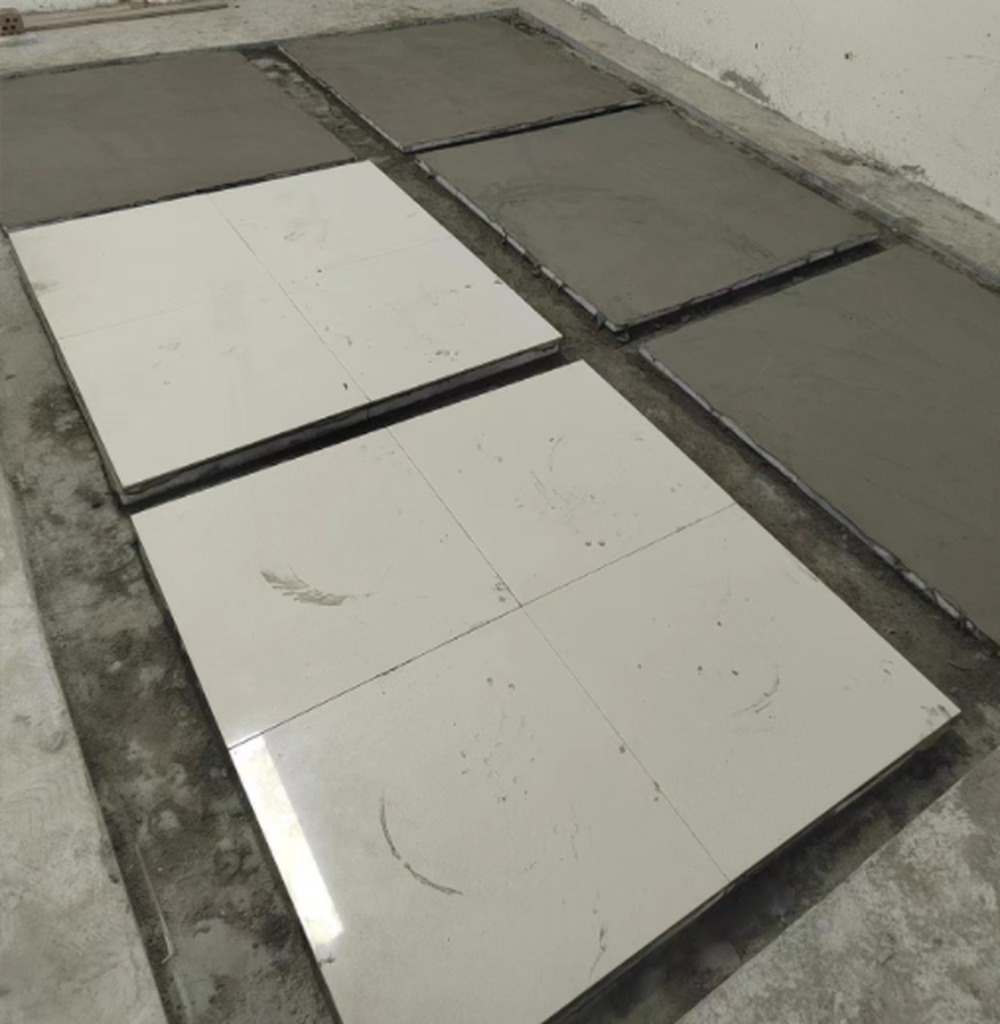
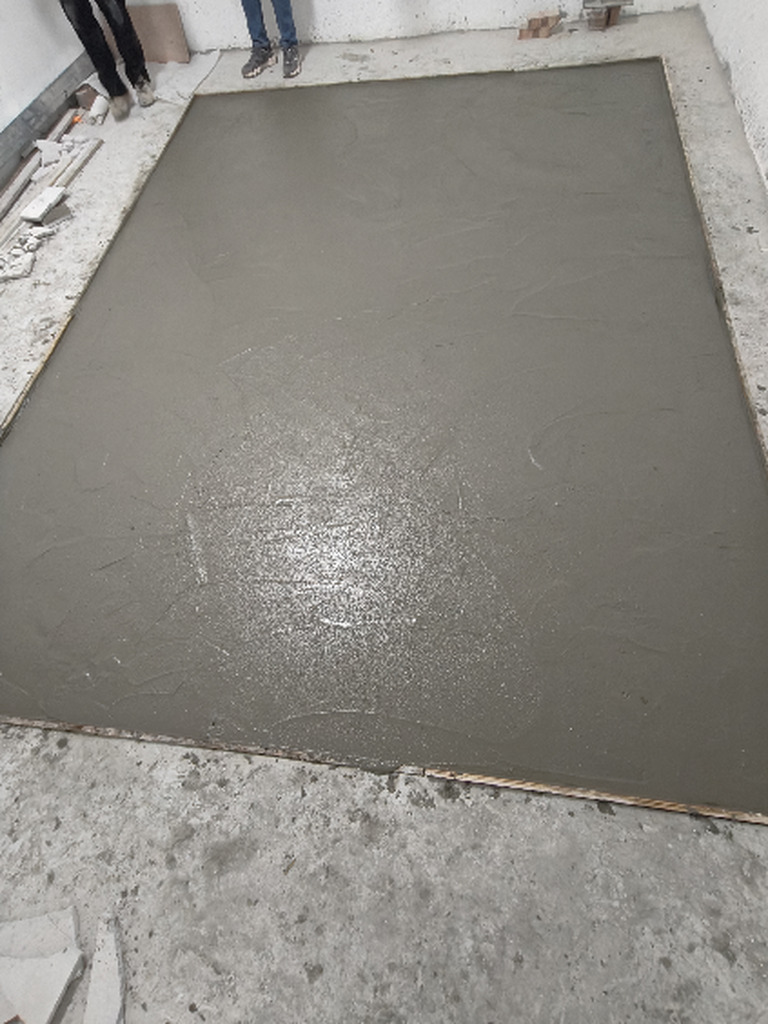
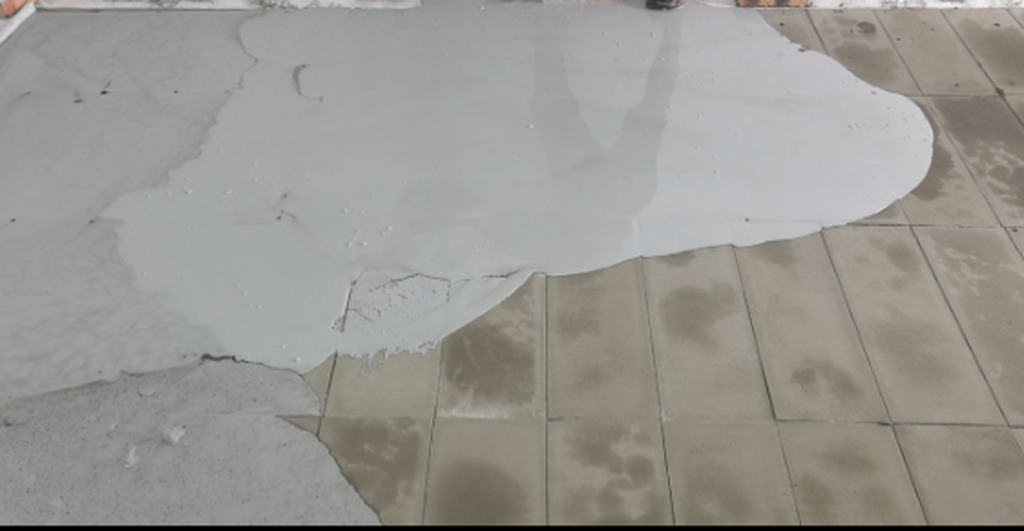
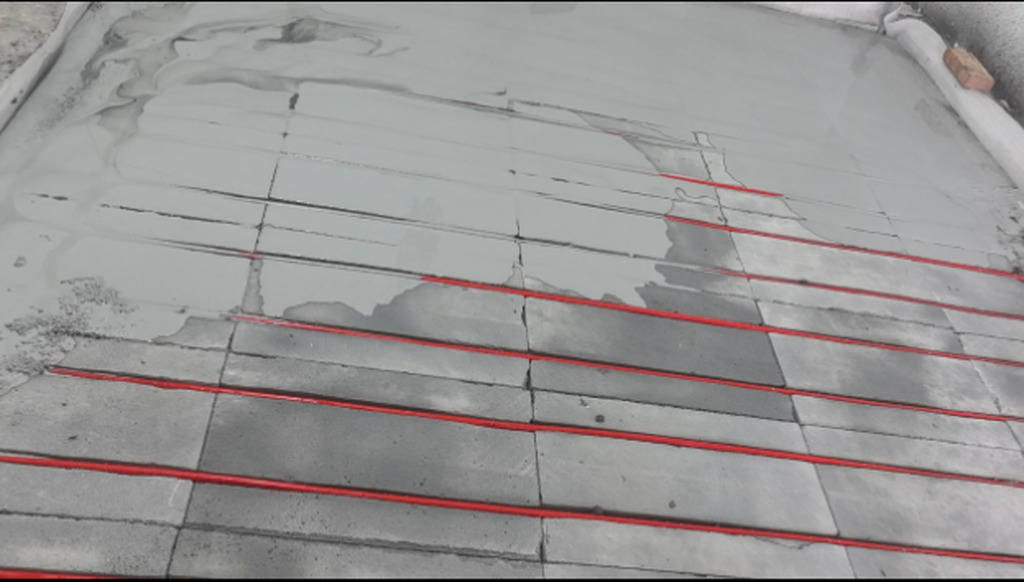
Autoclaved aerated concrete products are widely used in wall systems due to their excellent thermal insulation, fire resistance, and environmentally friendly, inorganic composition, making them superior to many traditional wall materials. However, their lightweight vibration-damping and sound insulation / sound absorption characteristics have yet to be effectively developed and utilized. Based on this situation, UBlok Group has carried out innovative research and developed a floor sound insulation systems by leveraging the sound absorption, lightweight vibration-damping properties of AAC. Experimental verification resulted in optimization of the USI floating floor impact sound insulation and thermal insulation system. Based on thorough research, and leveraging the lightweight vibration-damping and sound insulation & absorption properties of AAC, the team conducted system scheme design, technical breakthroughs, and trial production, followed by dozens of
comparative tests and measurements.
By comparing and analysing each test and the associated data, the influence of each material layer on impact sound insulation was identified. The product system scheme was further optimized, leading to the final product system solution. The test results exceeded expectations, further confirming the correctness of the R&D direction and the feasibility of the design scheme.
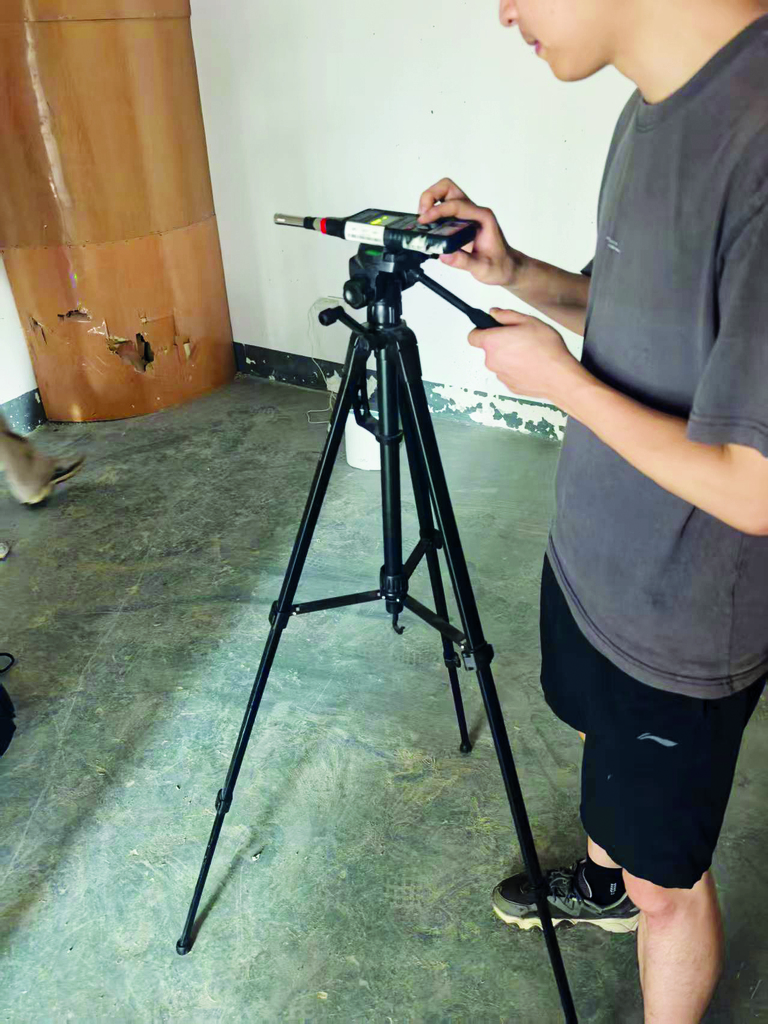
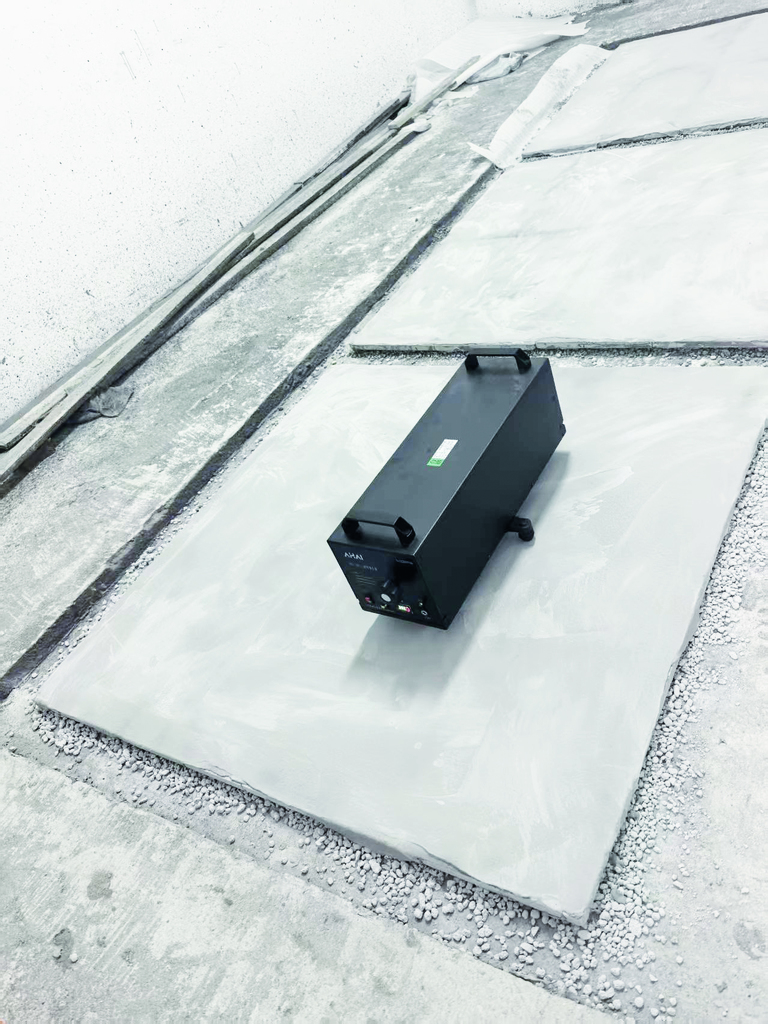
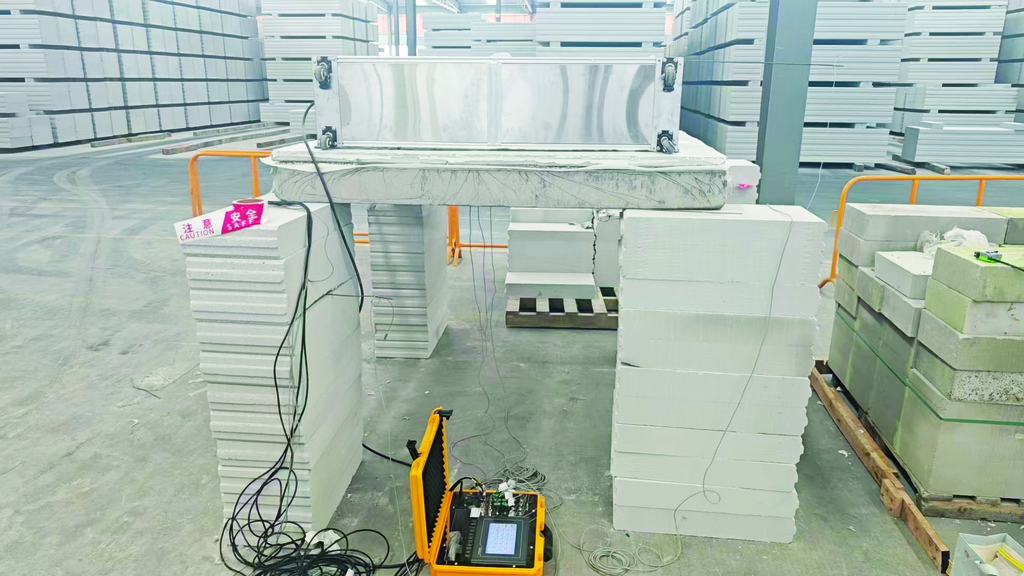
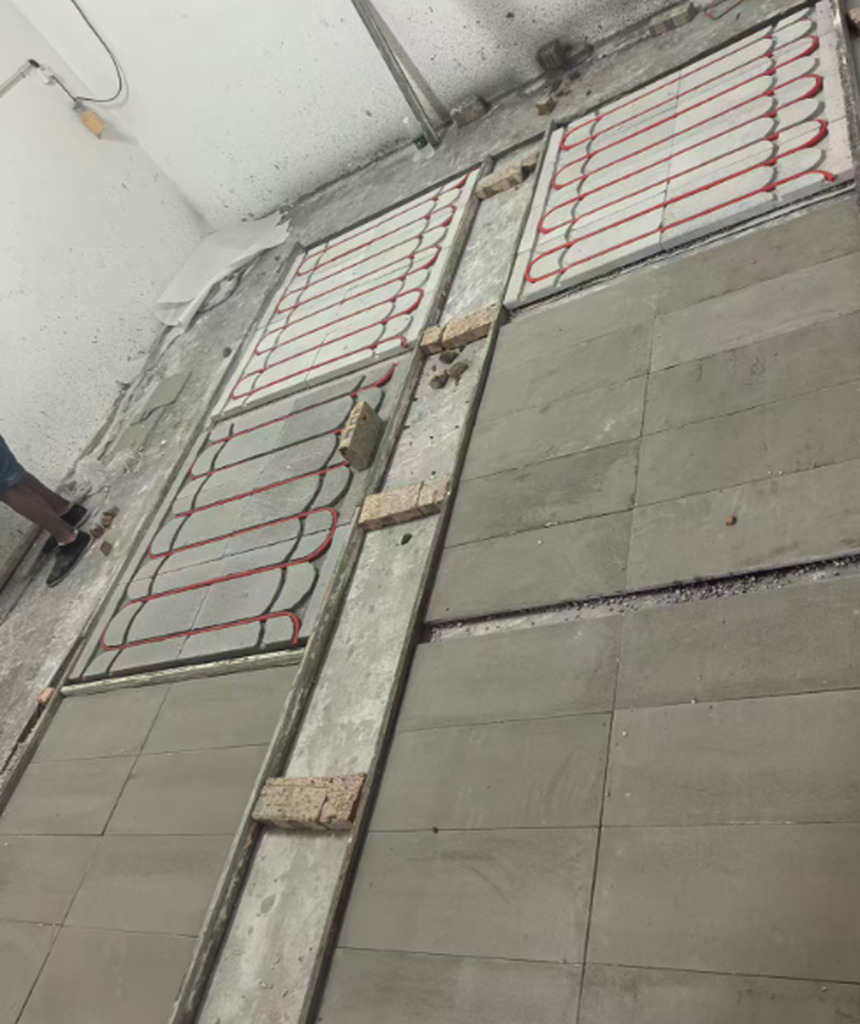
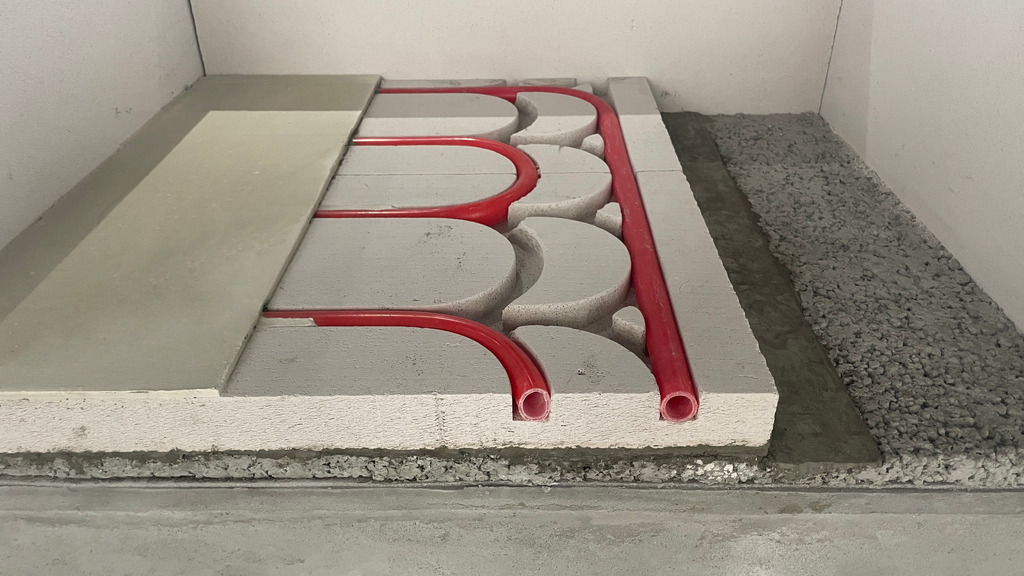
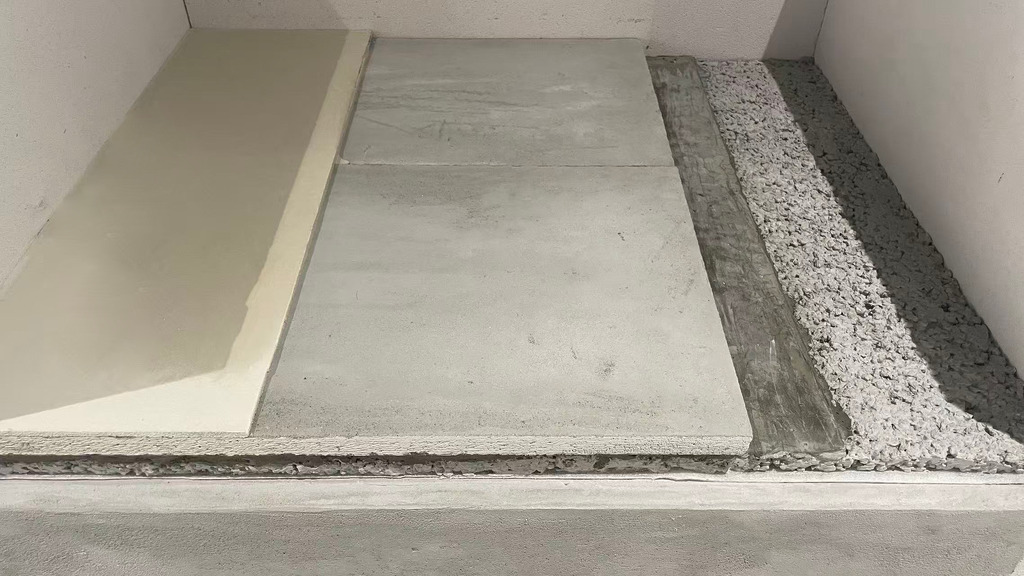
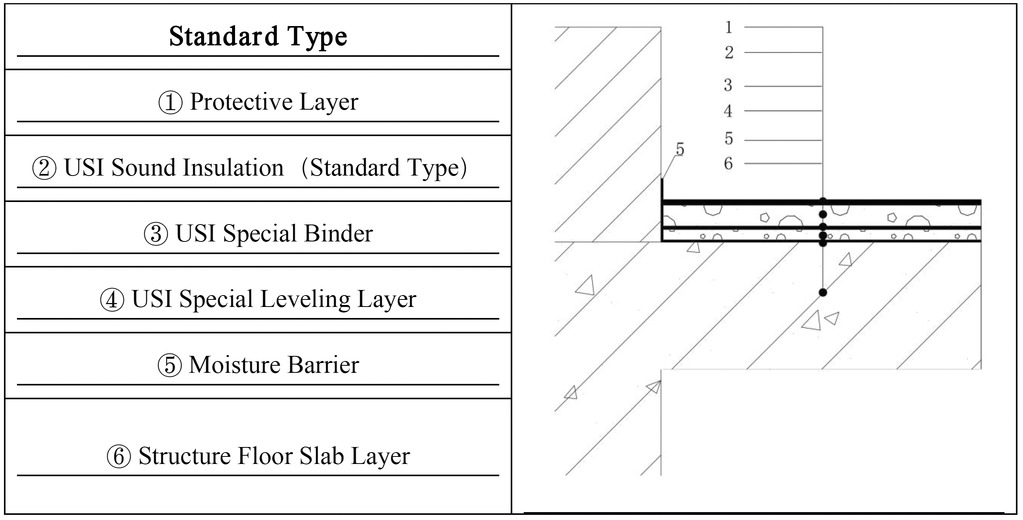
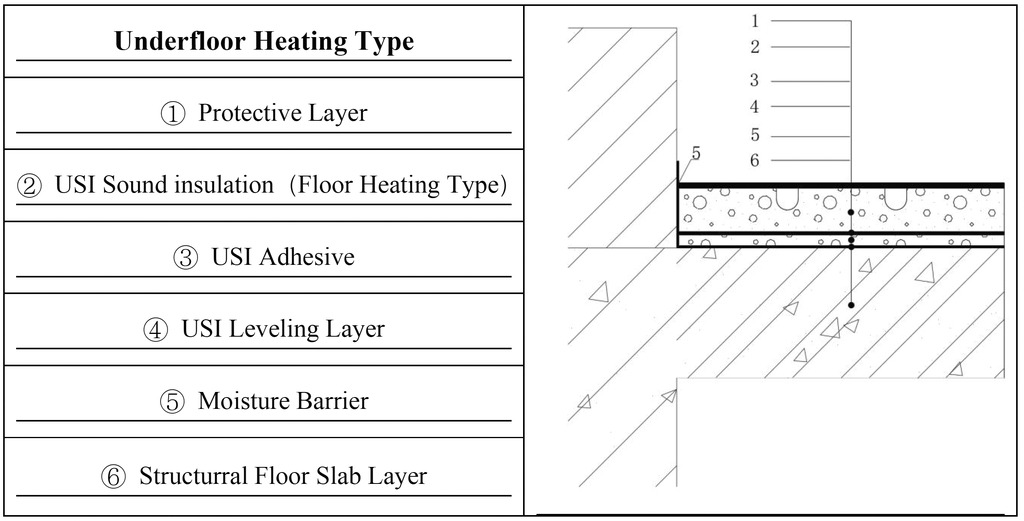
After more than a year of research and development, involving dozens of comparative tests and construction trials, the R&D team of UBlok Group has finally matured the technology. Two types of floor sound and thermal insulation systems suitable for various scenarios and regions were finalized: the USI floor sound insulation and thermal insulation system (standard type) and the USI floor sound insulation and thermal insulation system (underfloor heating type). The system features a simple structural design and a mature construction method, with a total finished thickness of 38–58 mm - approximately 30% thinner than traditional solutions, effectively increasing the net room height. The weight is low, about 35–50 kg/m², which is roughly 50% lighter than traditional floating floor systems, reducing the building's structural load.
The finalized USI floating floor sound insulation and thermal insulation system has been tested by an authoritative testing institution, which issued an official test report. The impact sound insulation levels are 54 dB (standard type) and 53 dB (underfloor heating type) - far below the 65 dB limit required by the Green Building Evaluation Standard and the latest Residential Project CodeGB55038-2025.
Standardisation and construction technology finalisation
With the refinement and maturity of the USI floor sound insulation and thermal insulation system, a rigorous enterprise standard was established - the Technical Specification for USI Floating Floor Sound Insulation and Thermal Insulation System Q/UBDY01-2025. All performance indicators specified in this standard exceed the corresponding national requirements, and the standard has been officially filed and implemented through China's National Enterprise Standard Information Public Service Platform.
System innovation
Compared with existing organic floor products and practices on the market, the USI floor sound and thermal insulation system offers comprehensive advantages, including being inorganic and environmentally friendly, non-settling, lightweight in load, and durable without aging. Its cost-effectiveness is also highly competitive.
Innovative R&D based on AAC materials – impact sound insulation
An innovative R&D effort for floor sound insulation systems was carried out using modified AAC materials. After dozens of comprehensive comparative tests, the impact sound insulation levels were all below 60 dB.
Simple construction
The system features a simple structural design and a mature construction method, with a total finished thickness of 38–58 mm – approximately 30% thinner than traditional solutions, effectively increasing the net room height.
Excellent combined sound and thermal insulation performance
The USI special sound insulation panel and levelling layer within the USI floating floor sound insulation and thermal insulation system innovatively leverage the vibration-damping energy absorption and lightweight thermal insulation properties of AAC materials. This not only enhances the sound insulation and vibration-damping performance of the system but also improves the thermal insulation performance of the floor slab.
Non-settling and crack-free
Compared with traditional and organic floor sound insulation practices, this system offers comprehensive performance advantages, including being inorganic and environmentally friendly, non-settling, crack-free, and durable without aging.
Summary
As an innovative application of modified AAC materials in the field of floor sound insulation, the USI floor sound insulation and thermal insulation system has successfully addressed many pain points of traditional sound insulation technologies. With its outstanding sound insulation performance, lightweight design, inorganic and environmentally friendly characteristics, and convenient construction process, this system provides a new option for architectural acoustic solutions. Against the backdrop of continuously rising standards for "better housing," the USI system not only effectively meets the sound insulation requirements of different building types such as residential buildings, hospitals, and schools but also demonstrates unique advantages in renovation projects of existing buildings. With the improvement of relevant standards and specifications and the increase in market awareness, the USI floor sound insulation and thermal insulation system is expected to become a mainstream technology in the field of building sound insulation in the future, making significant contributions to improving living quality and creating a harmonious living environment.